
Tech stats
One row per researched technology. Ancient techs — which come from discovery tiles rather than being researched — live on the Discoveries page. Hover any column header for a description of that stat.
What does Uplift mean?
Uplift answers a single question: does researched this tech help you win more often than chance alone would predict? Win % alone can’t answer it — a tech that shows up in mostly-2-player games naturally has a high win rate, while one that only appears in 6-player games is fighting longer odds. Uplift normalises that out.
The formula. Every time the tech is researched in a finished game, we record a baseline expected win of 1 / N, where N is that game’s player count. Sum those across every pick and you get the Expected wins column. Subtract that from the actual Wins column and you get Uplift = Wins − Expected wins. It’s an absolute count of wins above (or below) the random-chance baseline, not a rate.
Worked example. Suppose Plasma Cannon was researched 400 times across games that averaged 4 players. Each pick had a 1-in-4 random chance of ending up on the winner’s sheet, so the baseline expected wins are 400 × ¼ = 100. If Plasma Cannon actually shows up on the winner’s sheet 130 times, the uplift is +30 — winners researched it about 30% more than chance alone would predict.
How to read it. Positive uplift means the tech over-performs the baseline — winners reach for it more than chance predicts. Negative uplift means the opposite — it gets researched but doesn’t convert to wins at the random rate. Zero is exactly chance.
Small-sample caveat. Uplift is unweighted by sample size. A tech with only a handful of picks can swing to a big positive or negative number on coin-flip luck alone. Cross-check the Picks column before trusting an extreme uplift — and treat anything with under ~20 picks as noisy.
| Tech | Category | Picks | Win % | Uplift▼ |
|---|---|---|---|---|
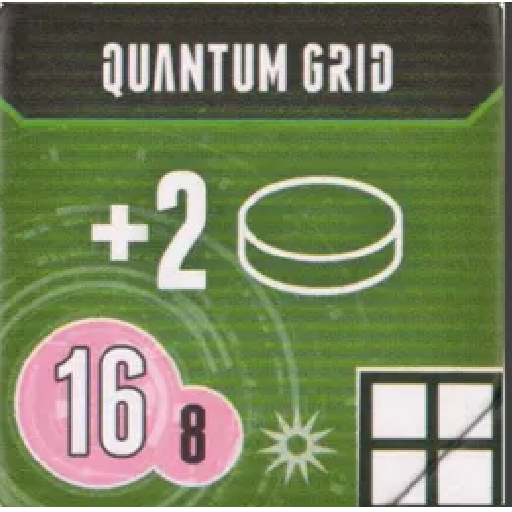 Quantum Grid Quantum Grid | Grid | +98.5 | ||
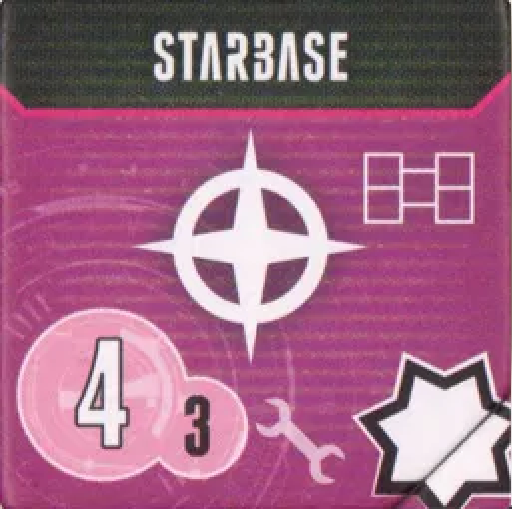 Star Base Star Base | Military | +67.6 | ||
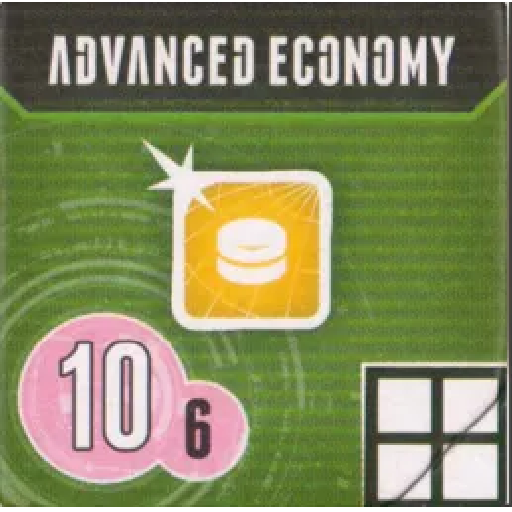 Advanced Economy Advanced Economy | Grid | +66.8 | ||
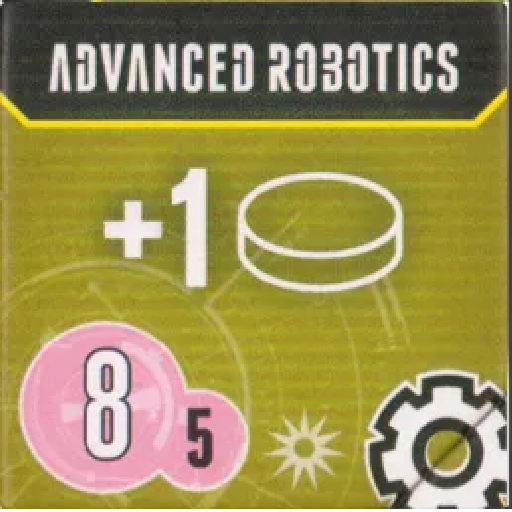 Advanced Robotics Advanced Robotics | Nano | +62.2 | ||
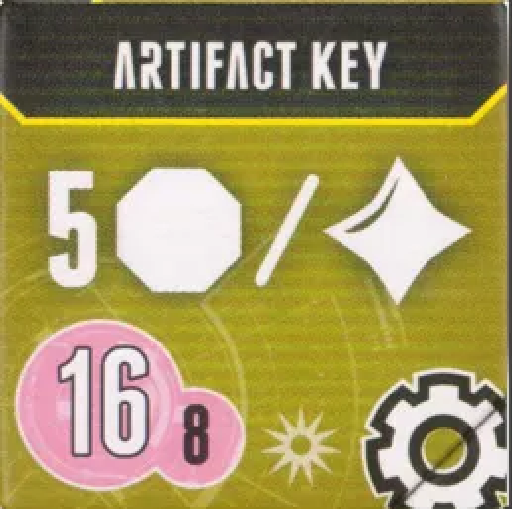 Artifact Key Artifact Key | Nano | +60.8 | ||
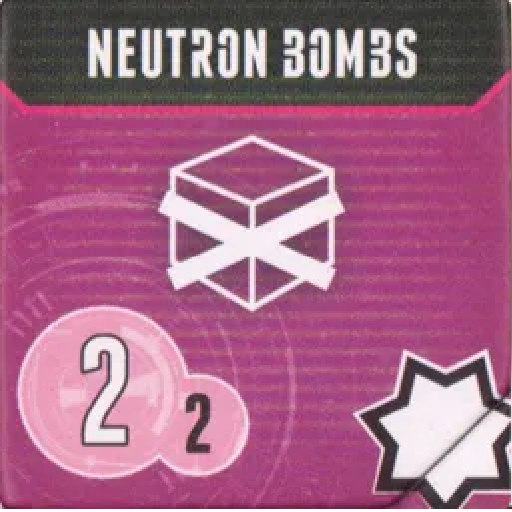 Neutron Bombs Neutron Bombs | Military | +59.1 | ||
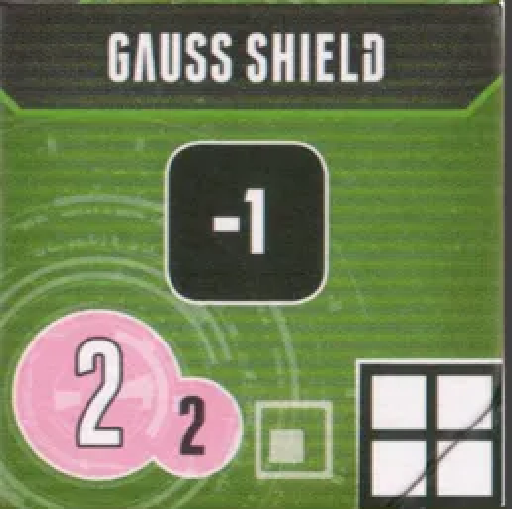 Gauss Shield Gauss Shield | Grid | +48 | ||
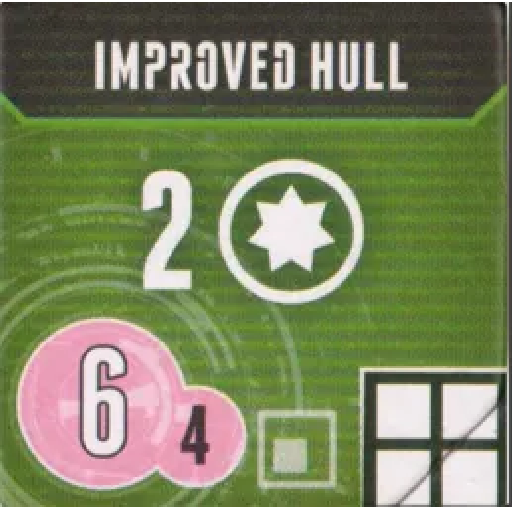 Improved Hull Improved Hull | Grid | +47.6 | ||
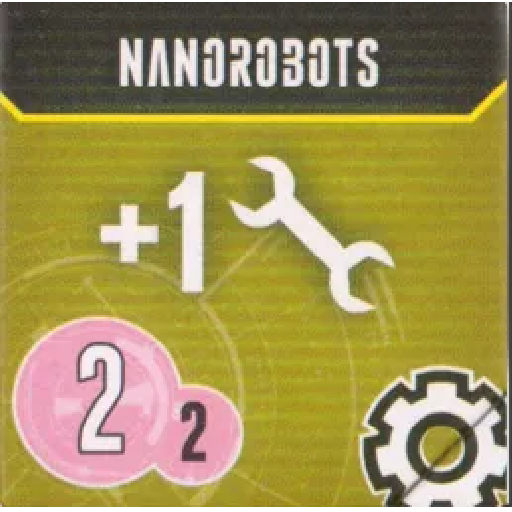 Nano Robots Nano Robots | Nano | +46.2 | ||
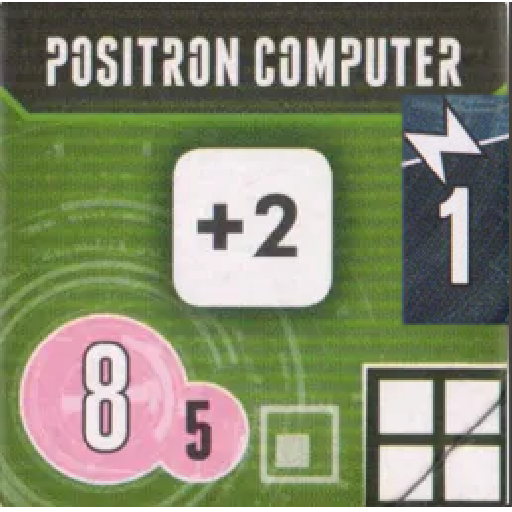 Positron Computer Positron Computer | Grid | +37.3 | ||
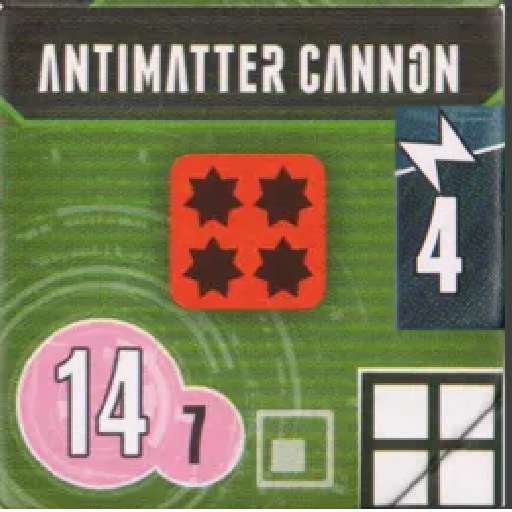 Antimatter Cannon Antimatter Cannon | Grid | +36.3 | ||
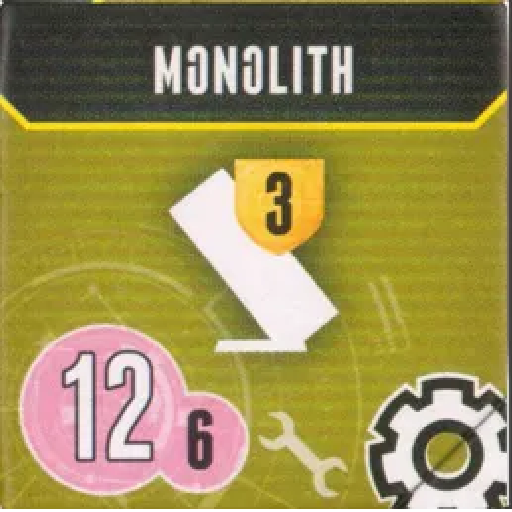 Monolith Monolith | Nano | +34.1 | ||
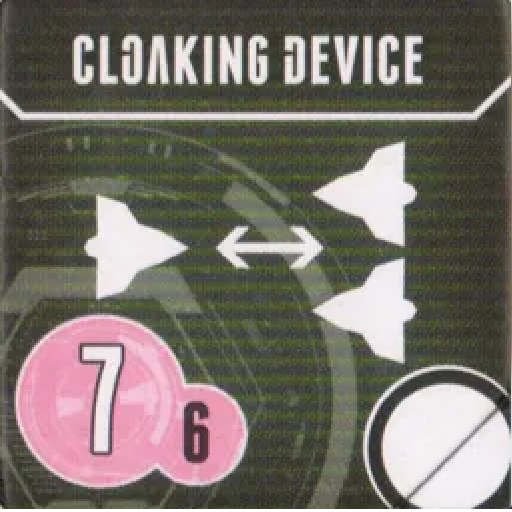 Cloaking Device Cloaking Device | Rare | +30.8 | ||
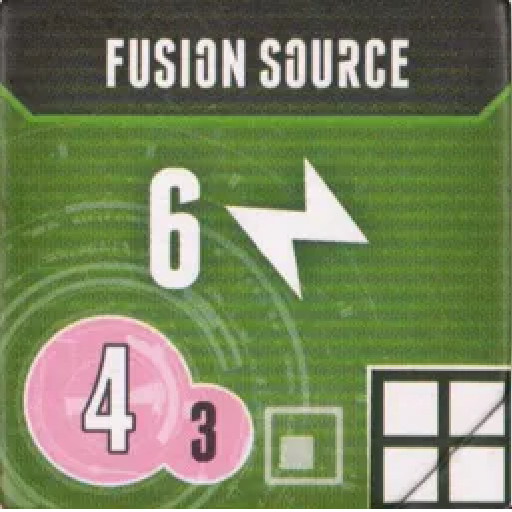 Fusion Source Fusion Source | Grid | +30.5 | ||
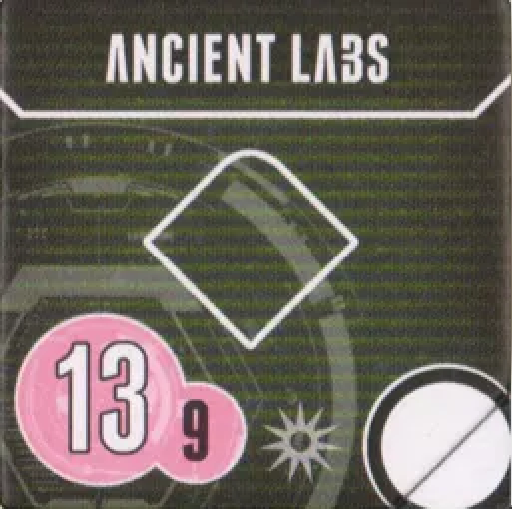 Ancient Labs Ancient Labs | Rare | +29.5 | ||
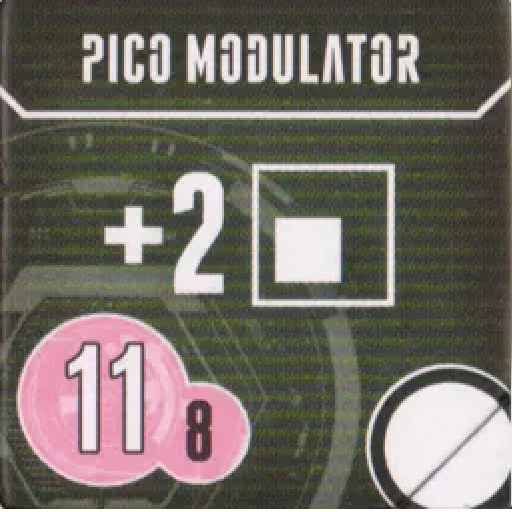 Pico Modulator Pico Modulator | Rare | +28.6 | ||
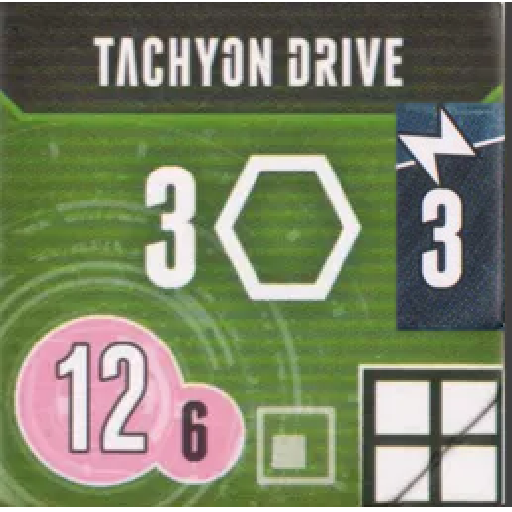 Tachyon Drive Tachyon Drive | Grid | +28 | ||
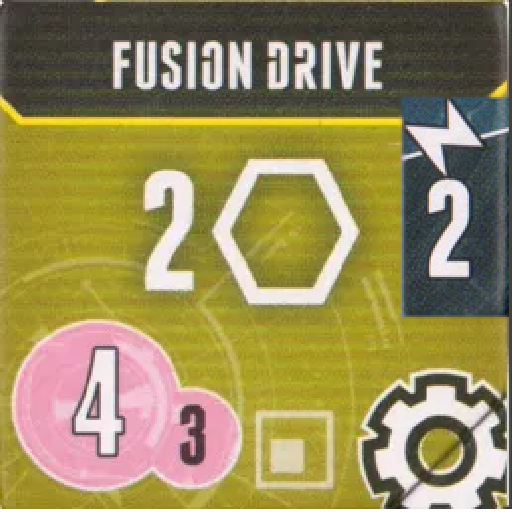 Fusion Drive Fusion Drive | Nano | +26.7 | ||
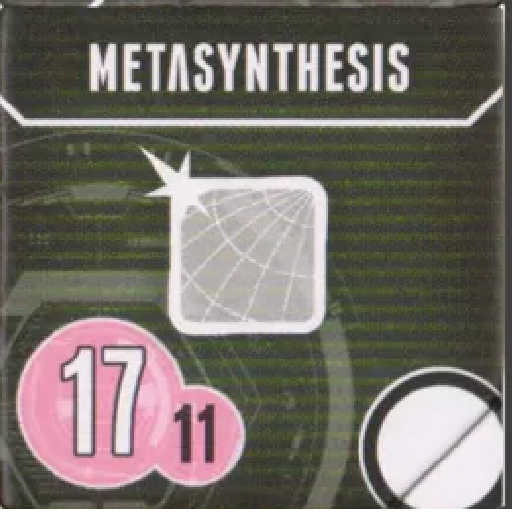 Metasynthesis Metasynthesis | Rare | +25.9 | ||
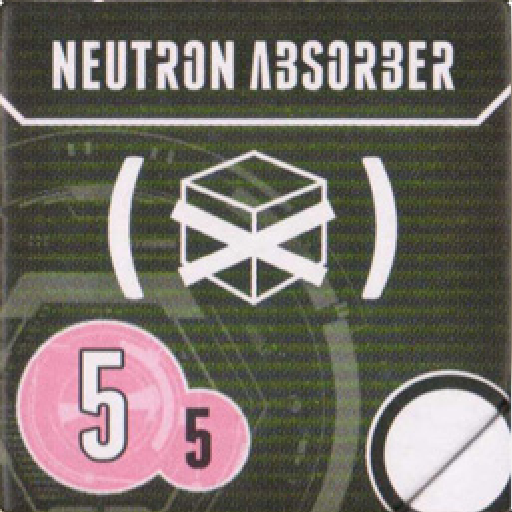 Neutron Absorber Neutron Absorber | Rare | +25.4 | ||
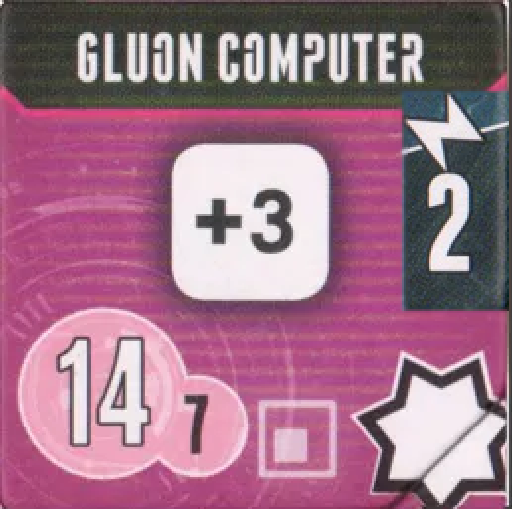 Gluon Computer Gluon Computer | Military | +24.9 | ||
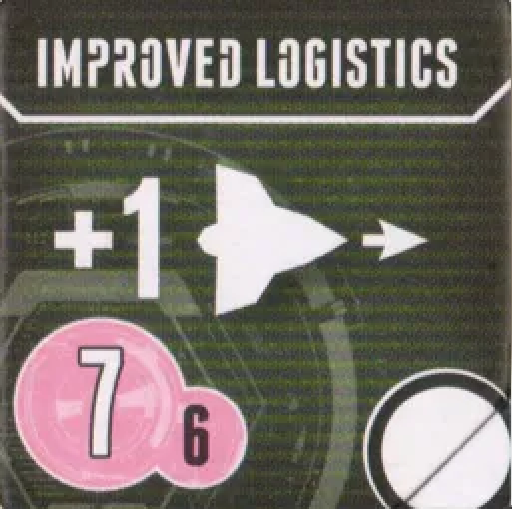 Improved Logistics Improved Logistics | Rare | +24.6 | ||
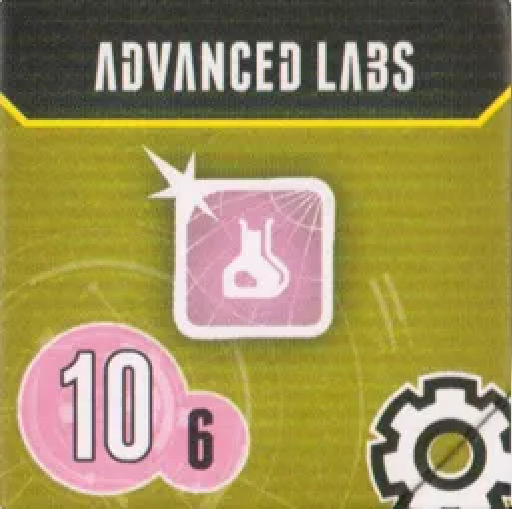 Advanced Labs Advanced Labs | Nano | +19.4 | ||
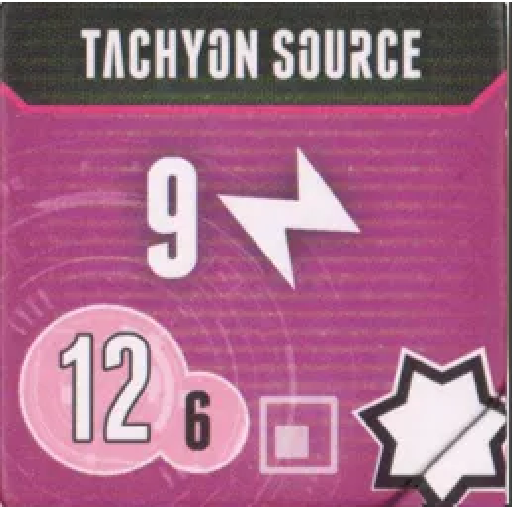 Tachyon Source Tachyon Source | Military | +19.3 | ||
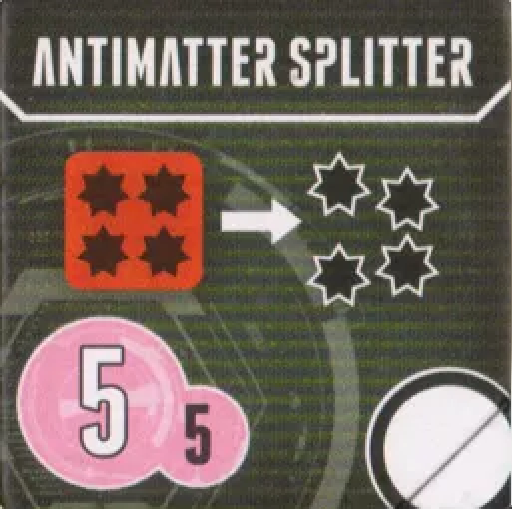 Antimatter Splitter Antimatter Splitter | Rare | +18.9 | ||
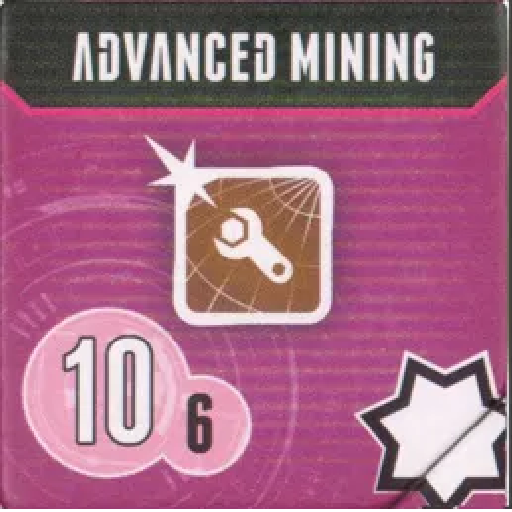 Advanced Mining Advanced Mining | Military | +18.8 | ||
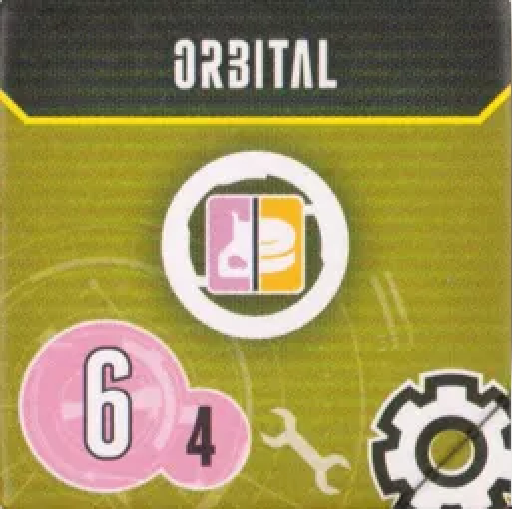 Orbital Orbital | Nano | +18.2 | ||
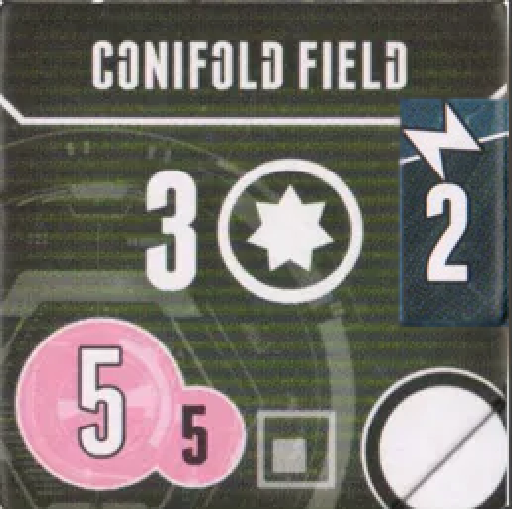 Conifold Field Conifold Field | Rare | +18 | ||
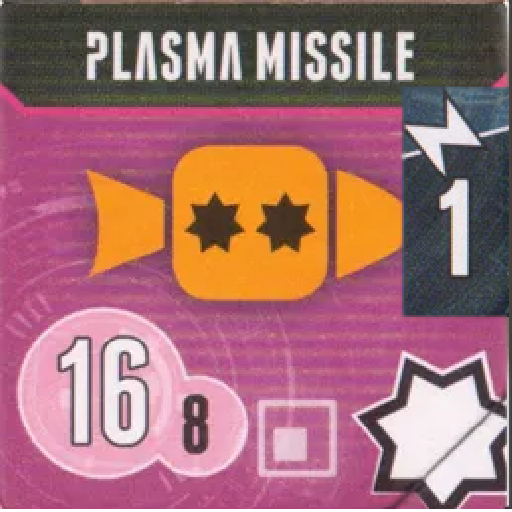 Plasma Missile Plasma Missile | Military | +17.4 | ||
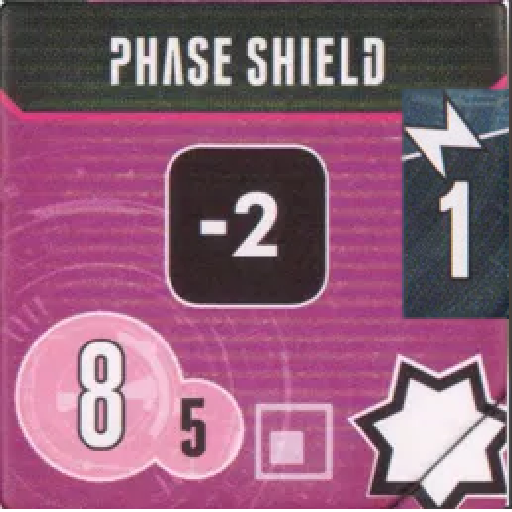 Phase Shield Phase Shield | Military | +16.9 | ||
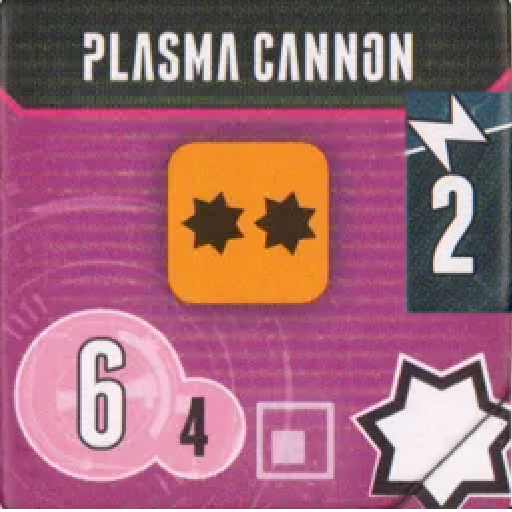 Plasma Cannon Plasma Cannon | Military | +16.8 | ||
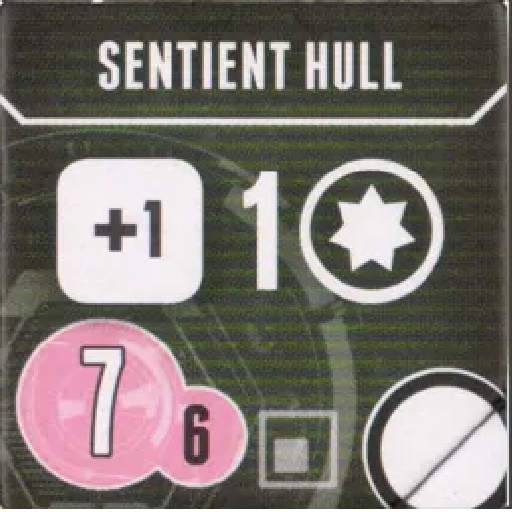 Sentient Hull Sentient Hull | Rare | +16.6 | ||
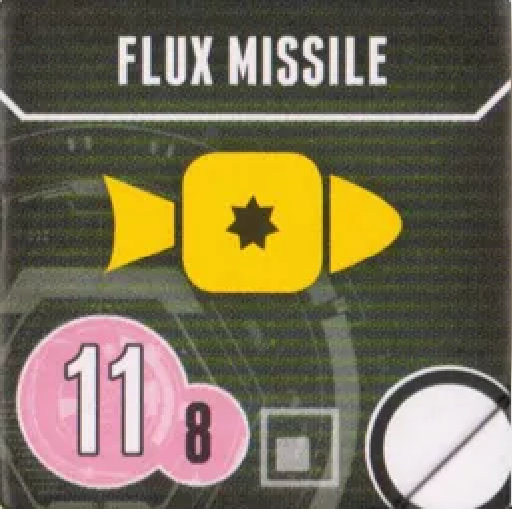 Flux Missile Flux Missile | Rare | +15.9 | ||
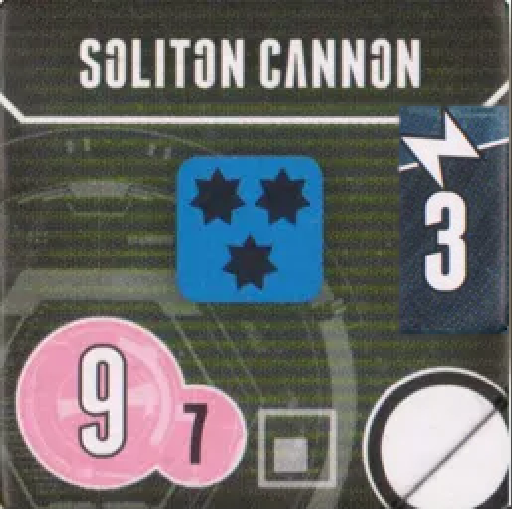 Soliton Cannon Soliton Cannon | Rare | +15.1 | ||
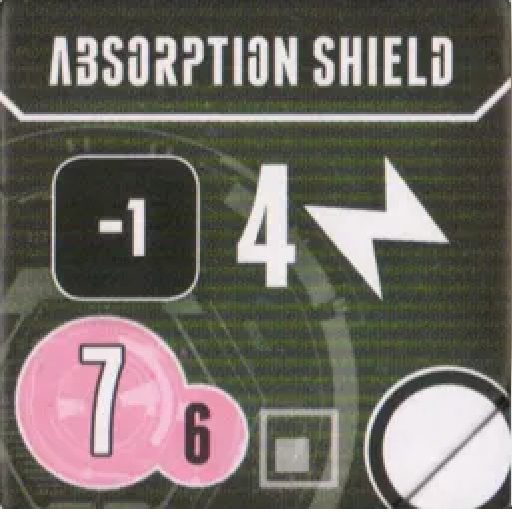 Absorption Shield Absorption Shield | Rare | +13 | ||
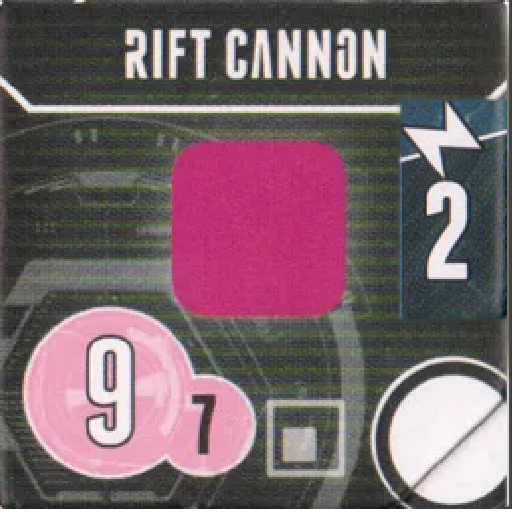 Rift Cannon Rift Cannon | Rare | +12.9 | ||
 Warp Portal Warp Portal | Rare | +12.1 | ||
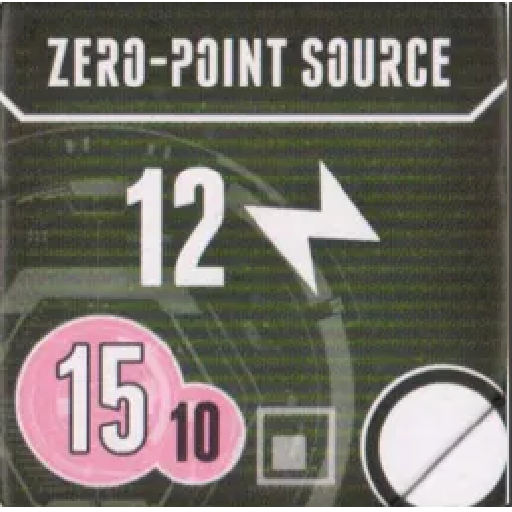 Zero Point Source Zero Point Source | Rare | +11.1 | ||
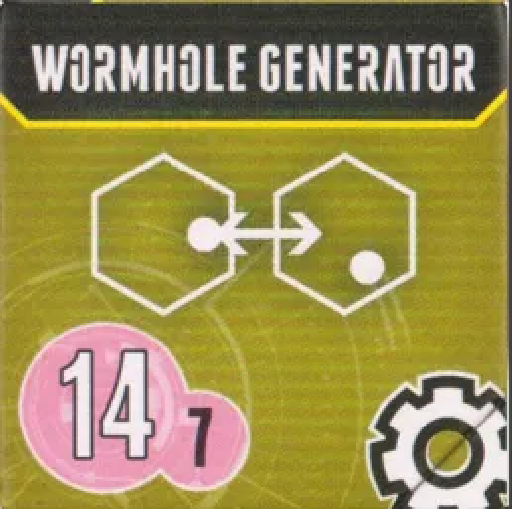 Wormhole Generator Wormhole Generator | Nano | +7.8 | ||
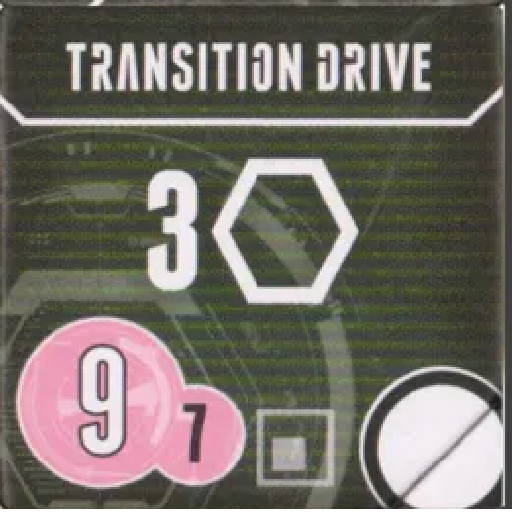 Transition Drive Transition Drive | Rare | +7.3 |